Are buyers scrolling past your listing photos or stopping to book a showing? In Clemson and Pickens County, spring brings more buyers and more competition, which means presentation matters. If you want top attention without overspending, smart staging tailored to our local market goes a long way. Below, you’ll find practical, photo-first strategies and timelines that work in Clemson, whether you’re selling a single-family home or a townhome. Let’s dive in.
Why staging matters in Clemson
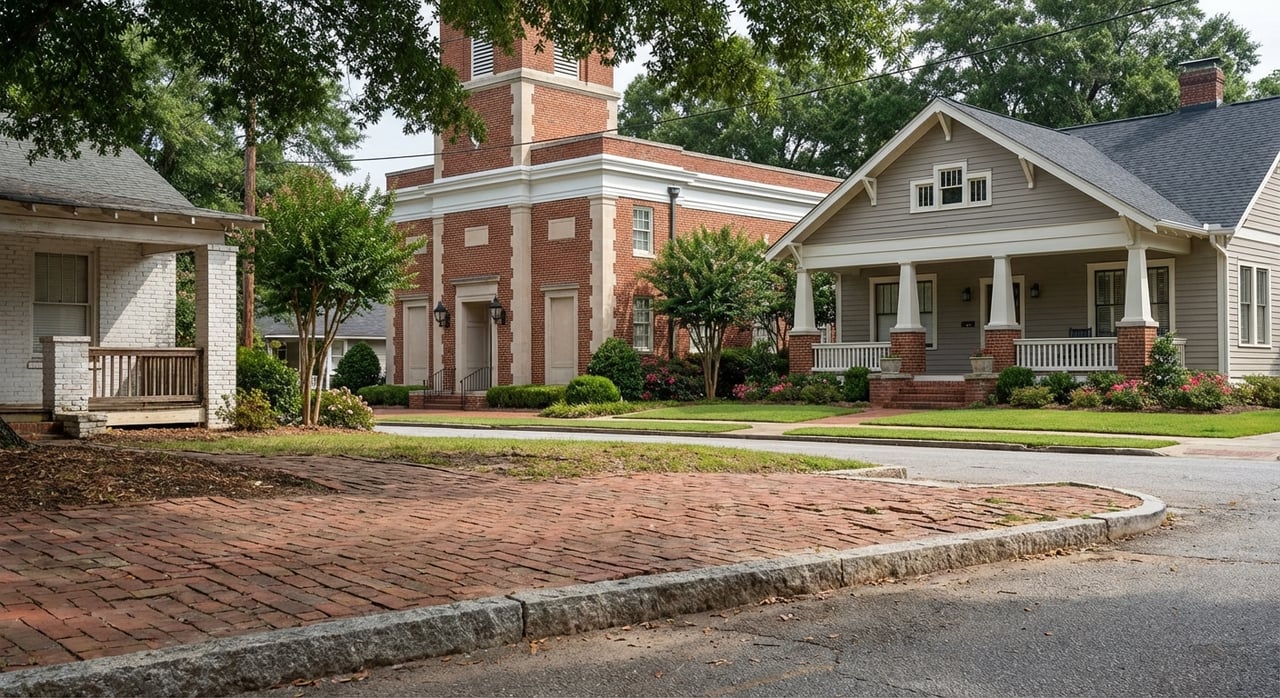
Clemson’s buyer pool includes university-connected households, commuters to Greenville or Anderson, and local families. Many want efficient layouts, low-maintenance outdoor spaces, and usable porches or patios. That mix makes clean, bright rooms and welcoming outdoor areas especially important. Staging helps buyers picture daily life in your home and can increase showing activity during the busy spring season.
Single-family homes benefit from staged curb appeal, highlighted backyards, garages, and flexible spaces like an office or guest room. Townhomes and condos stand out when you emphasize light, flow, storage, and tidy entries. If your home has HOA guidelines, confirm rules before adding exterior furniture or signage.
Focus on first impressions
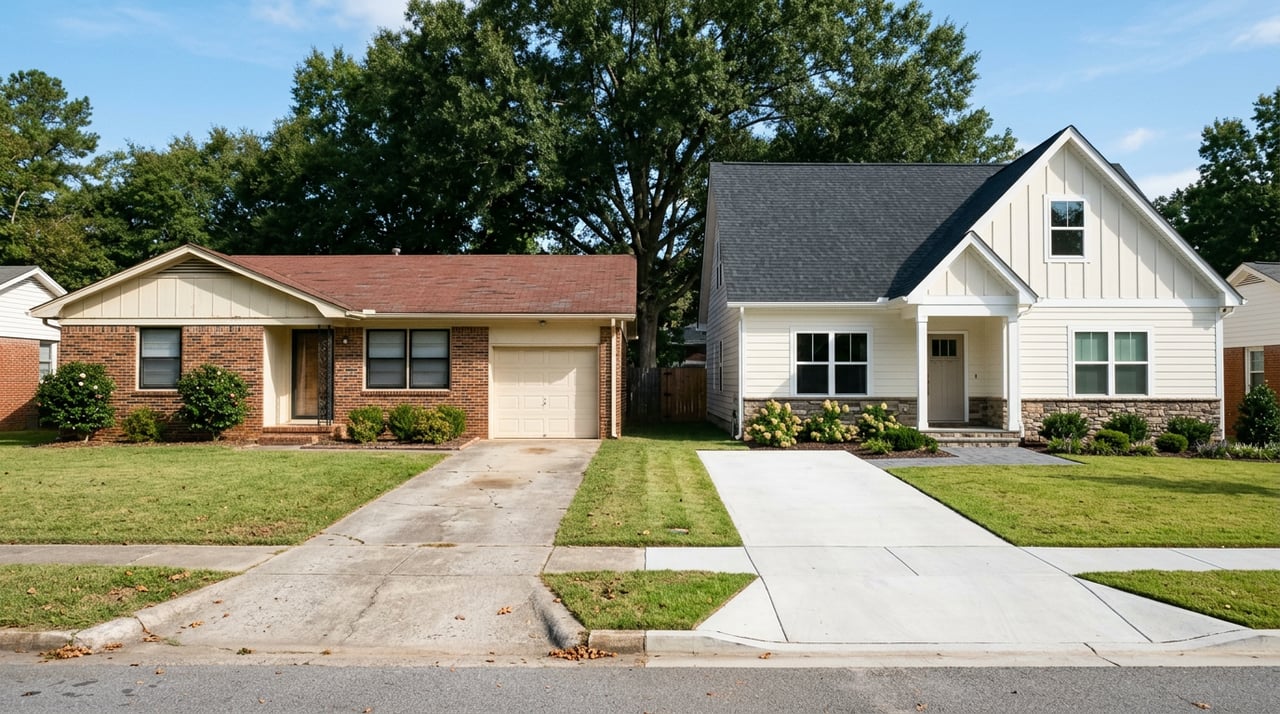
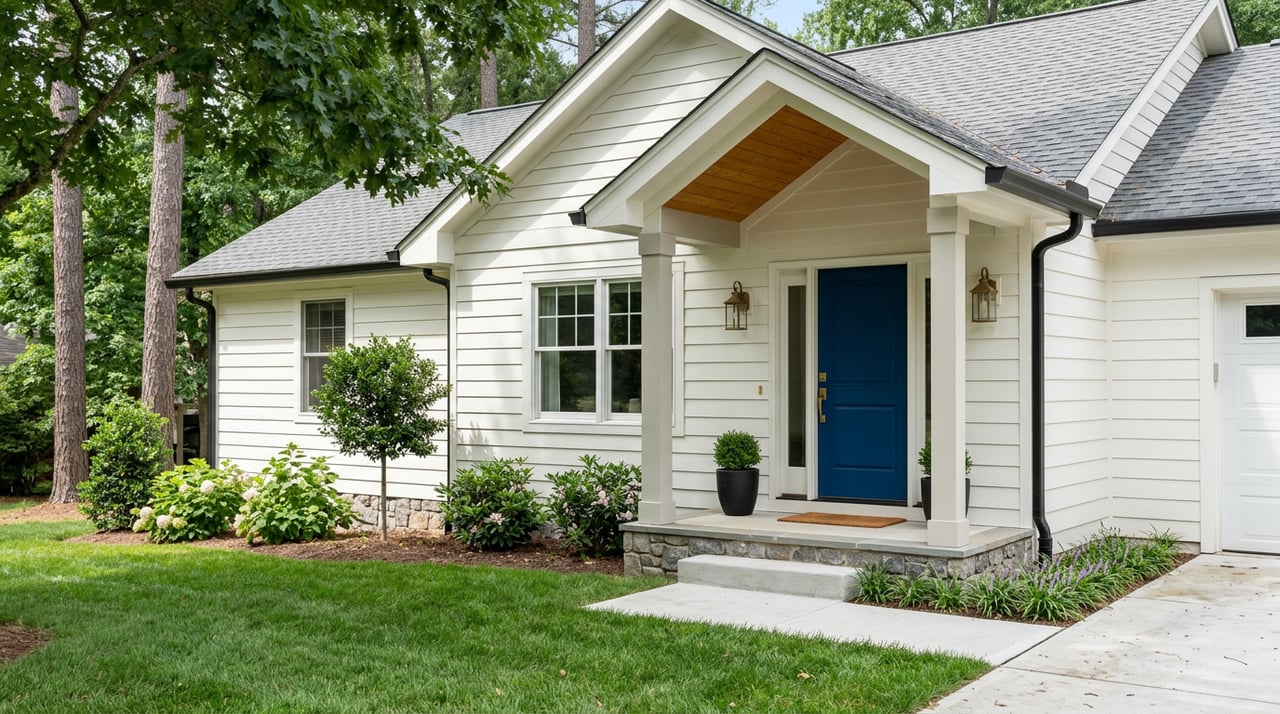
Curb appeal sets the tone for every showing and photo. Pressure wash the siding, driveway, and walkways to remove winter grime and seasonal pollen. Clean gutters, edge beds, trim shrubs, and remove dead leaves. Update small items like house numbers, a mailbox, or the front door color for a fresh look.
On the porch, keep it simple and welcoming with a clean mat, a small seating arrangement, and seasonal plants. For townhomes, keep the entry unobstructed and neat, and check HOA rules before placing items outside.
Declutter and neutralize the space
Remove personal photos, collections, and anything that distracts the eye. Store bulky or extra furniture so rooms feel larger and easier to navigate. Minimize visible university-related items so the home appeals to the widest audience. Choose neutral bedding and simple window treatments to create a calm, move-in-ready feel.
Light, layout, and flow
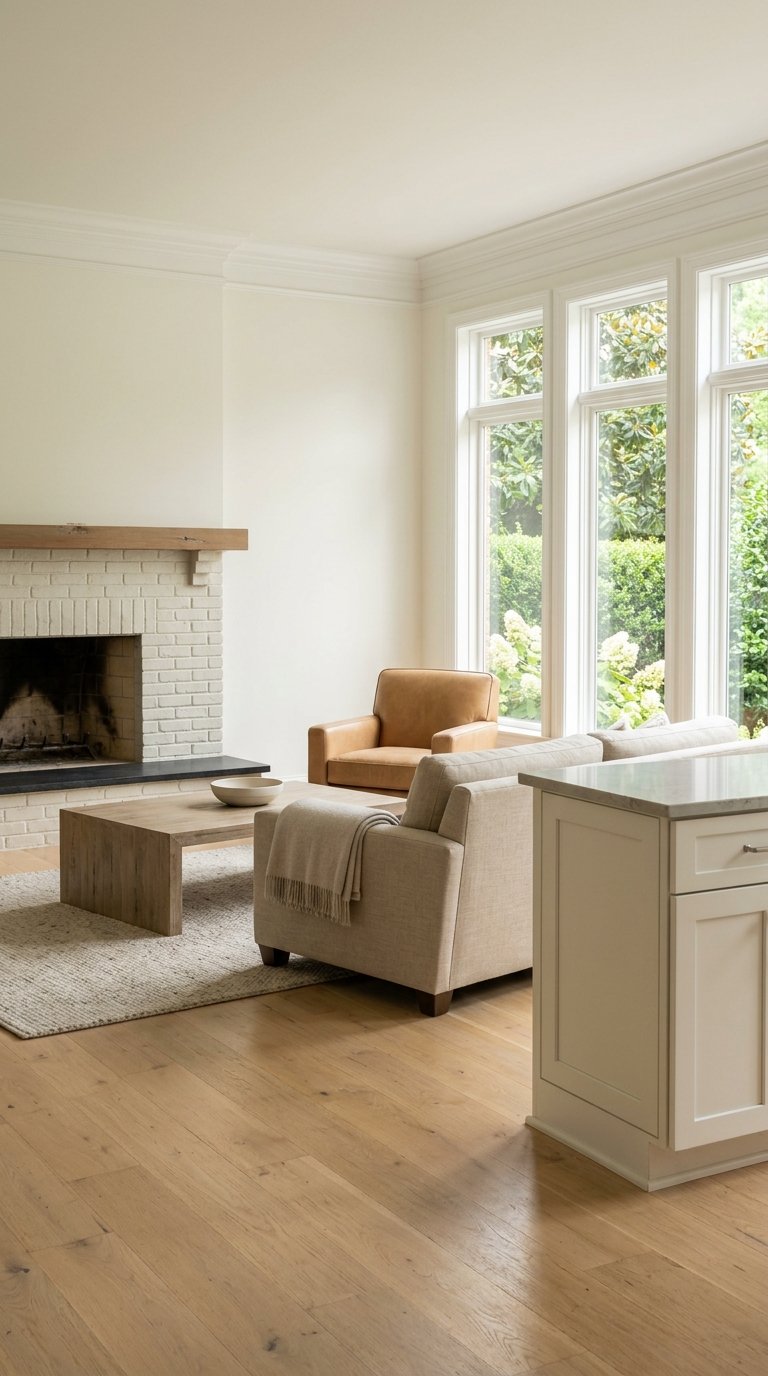
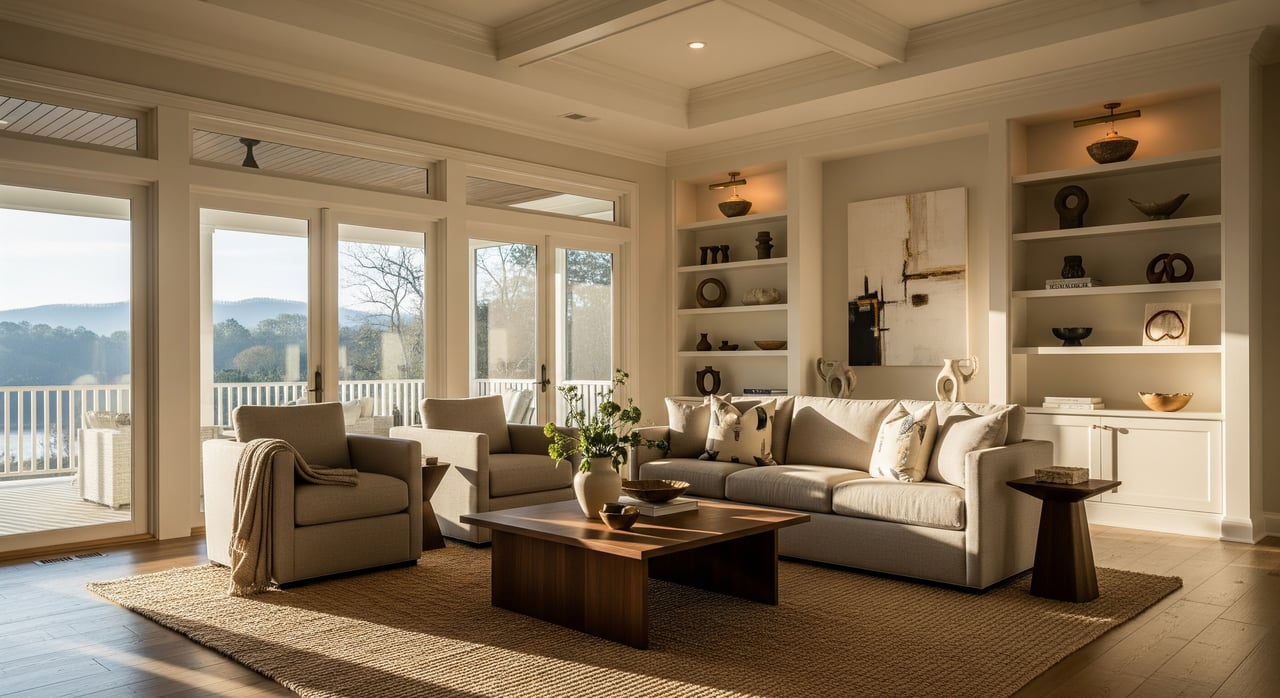
Light sells homes. Clean windows inside and out, open blinds, and trim exterior vegetation that blocks light. Replace dim bulbs with brighter, natural-tone bulbs. Arrange furniture to create clear walkways and emphasize how rooms connect. In townhomes or smaller rooms, use fewer rugs, highlight vertical space with shelving, and shoot photos from corners to show depth.
Kitchens and baths with impact
A deep clean goes a long way. Regrout or recaulk where needed, polish fixtures, and clear counters. If you plan light updates, fresh neutral paint, updated cabinet hardware, and modern lighting deliver strong visual impact without a full remodel. Stage with just a few items, like a bowl of fruit or a plant, to show usable surfaces.
Fixes buyers notice
Address visible maintenance issues before photos and showings. Repair or replace damaged flooring in high-traffic areas. Professionally clean carpets and upholstery. Patch and paint scuffs, fix sticking doors, and stop leaks. These small fixes support buyer confidence and cleaner photos.
Scent and pets
Aim for a clean, neutral scent. Avoid strong air fresheners that can signal cover-ups. Remove visible pet items for photos and showings, and address pet odors with a deep clean or treatment. If carpets or rugs are heavily stained, consider replacement.
Stage outdoor living for spring
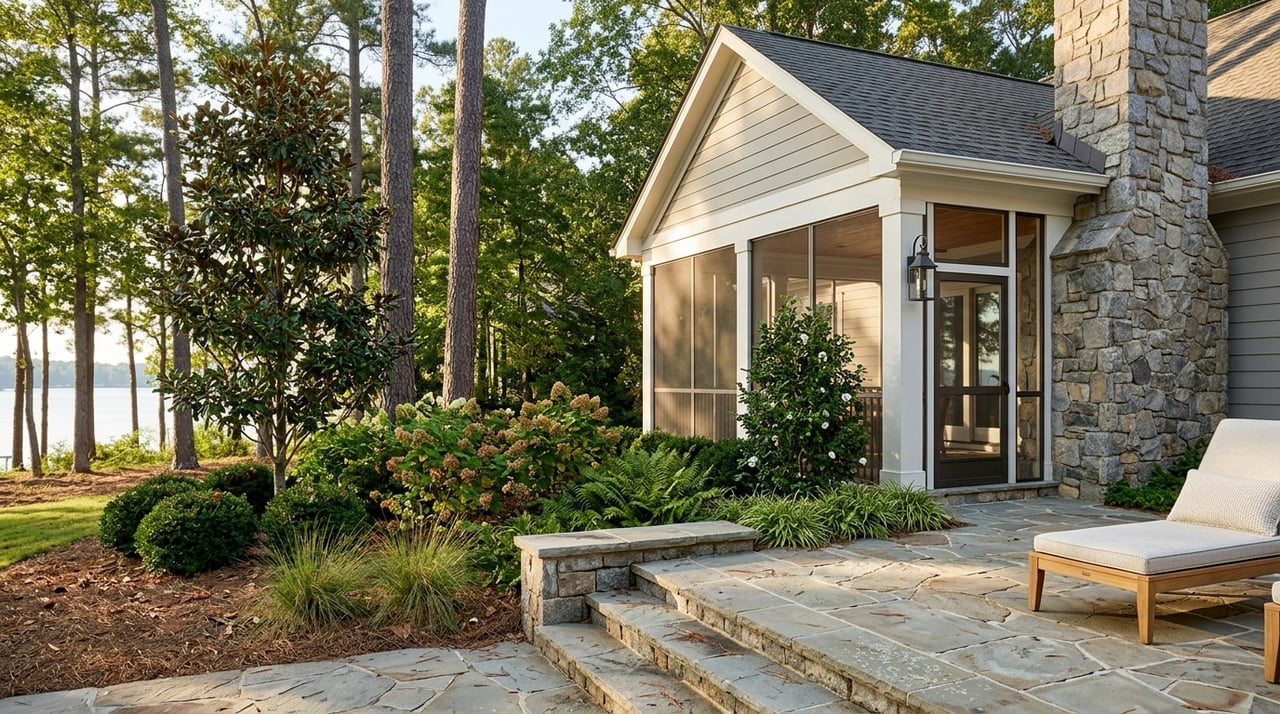
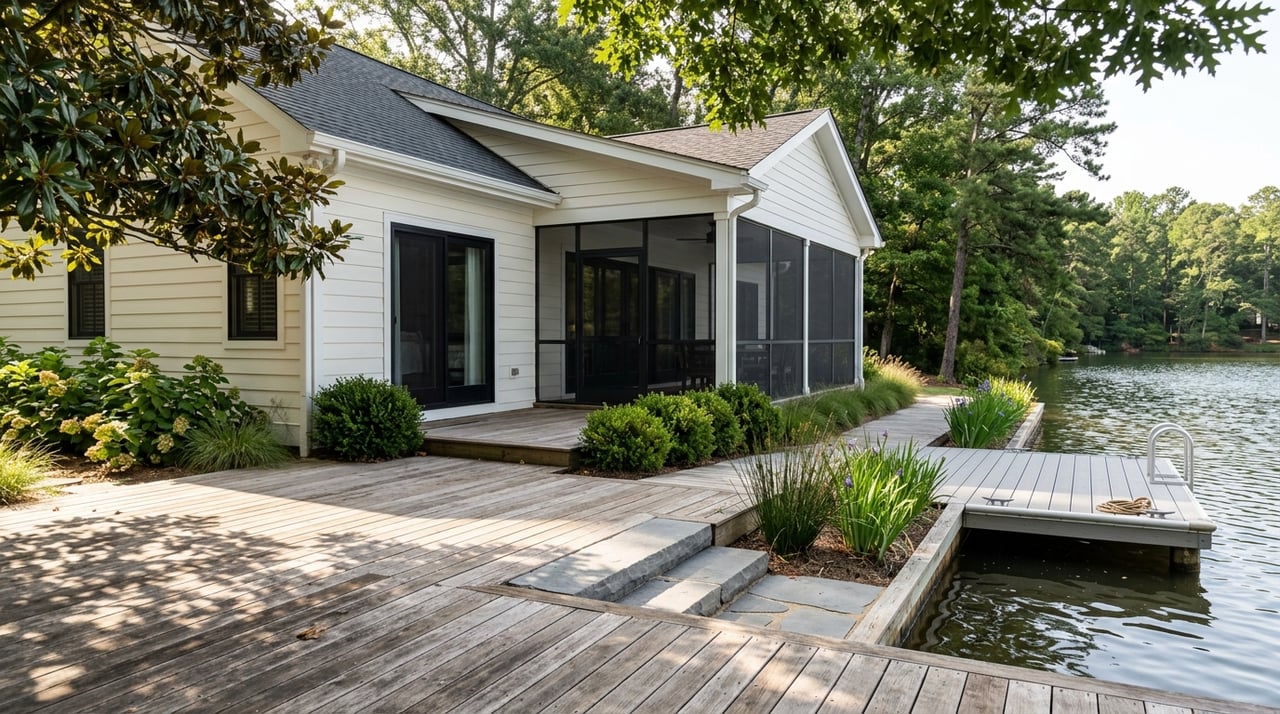
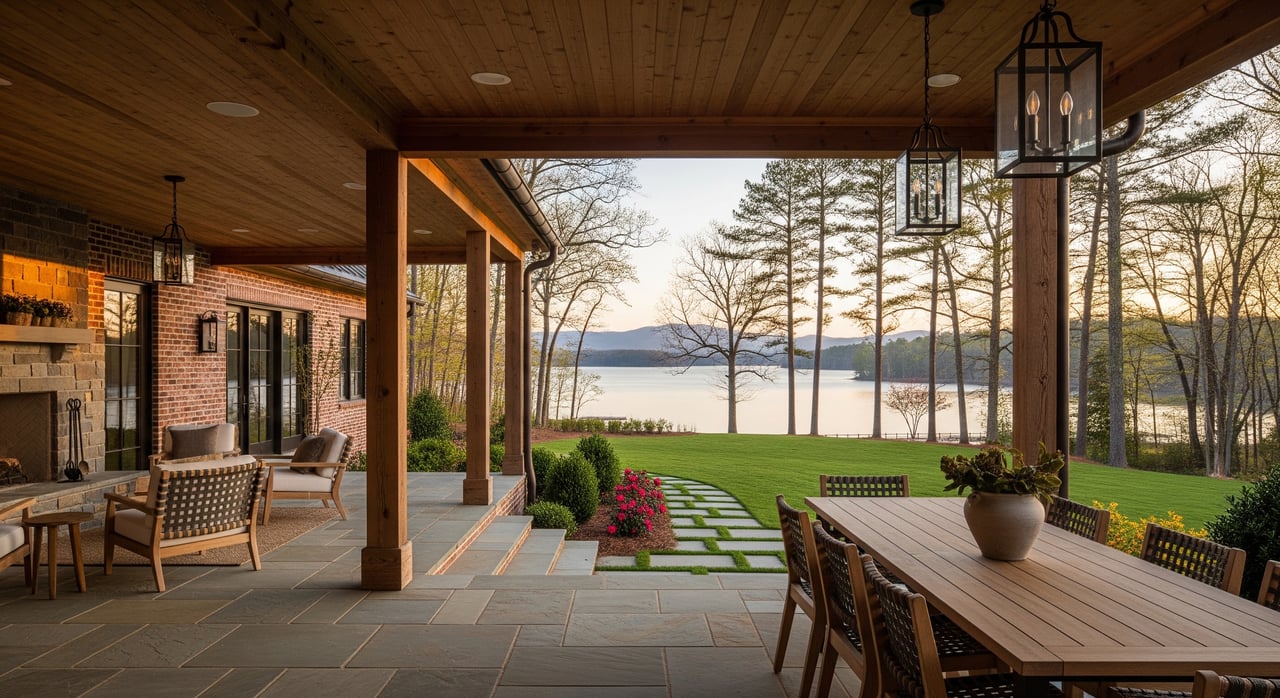
Buyers in Clemson value outdoor space. Mow, mulch, and edge, then stage a tidy seating area or grill zone. If you have blooms, place a few planters where they will show up in listing photos. Where appropriate, show outdoor sight lines to yards, green space, or nearby recreation in your photos and description.
Photo-first strategy that sells
Plan photos after staging to capture your work at its best. Daylight is your friend, and midday or late morning often works for interiors.
Prioritize these photo shots:
- Main exterior with driveway and entry in full view.
- Living room or main gathering space to show scale and flow.
- Kitchen with clear counters and clean appliances.
- Primary bedroom with balanced light and space.
- Backyard, porch, or patio to highlight usable outdoor living.
- Bathroom staged with fresh towels and bright lighting.
- Unique features like garage storage, a workshop, or a finished basement.
- Floor plan or virtual tour to help buyers understand layout, especially in townhomes.
Photo best practices:
- Shoot in even daylight and consider a twilight exterior if outdoor lighting is a selling point.
- Remove clutter, hide cords and trash bins, and keep décor minimal, one focal piece per room.
- For smaller rooms, remove rugs that break up the space and shoot from corners for depth.
- If you use virtual staging, disclose it and include at least one real photo per room.
Single-family vs. townhome tips
Single-family staging focuses
- Highlight curb appeal, backyard, garage, and storage areas.
- Show flexible rooms that can serve as an office or guest space.
- Emphasize outdoor living areas that extend usable square footage.
Townhome staging focuses
- Maximize light and perceived space with neutral colors and minimal furniture.
- Show storage solutions and clear, open walk paths.
- Keep entries tidy and follow HOA rules for any exterior décor or signage.
Work with the right local pros
The right vendors make staging faster and more effective. You may need some or all of the following roles:
- Professional stager for furniture, accessories, and placement guidance.
- Real estate photographer or 3D tour provider for high-quality marketing.
- Deep cleaning pros for kitchens, baths, windows, carpets, and odor treatment.
- Painter for neutral refreshes and touchups, interior or selective exterior.
- Landscaper for pruning, mulch, mowing, and seasonal planting.
- Handyman for minor repairs like trim, hinges, or cabinetry.
- Junk removal or donation pickup to clear attic, garage, and closets.
- HVAC or prelisting inspector if you need to address visible issues early.
Selection checklist:
- Ask for local references and before-and-after photos from similar homes.
- Verify insurance and licensing as needed.
- Request a written scope, timeline, and itemized pricing.
- Confirm who moves furniture and who is responsible for any damage.
- For stagers, clarify whether they bring inventory or work with your items, how many rooms are included, and delivery and pickup timing.
- For painters or contractors, check any permitting needs in HOA communities and ask about warranties.
Six-week countdown to launch
- 6+ weeks out: Consult your agent for pricing and timing, then schedule major repairs, painting, or landscaping.
- 4 to 5 weeks: Declutter, begin a deep clean, and arrange junk removal or donations. Get bids from a stager and photographer.
- 2 to 3 weeks: Complete repairs and painting. Have landscaping finished, including spring planting and pruning.
- 1 week: Staging delivery and setup. Finish the deep clean and remove nonessential items.
- 1 to 2 days before photos: Final touchups and the photo shoot.
- Day of listing: Keep a show checklist for quick resets before and after showings.
Room-by-room checklists
Entry
- Clear floors and surfaces, keep the door and glass clean.
- Add a small bench or chair if space allows.
- Check lighting and hardware for a polished look.
Living room
- Remove extra furniture, then arrange seating around a focal point.
- Use neutral accessories and limit personal items.
- Hide cords and organize shelves with a few balanced pieces.
Kitchen
- Clear counters to one or two items only.
- Polish sink, fixtures, and appliances.
- Regrout or recaulk as needed and add a simple plant or fruit bowl.
Primary bedroom
- Use neutral bedding and fewer pieces of furniture.
- Clear nightstands and dressers.
- Organize closets to show available storage.
Bathrooms
- Clean grout and mirrors, replace tired towels.
- Remove personal hygiene items from counters and shower areas.
- Ensure bright, even lighting and add a small, fresh accent.
Backyard and porch
- Mow, edge, and remove debris.
- Stage a small seating area or grill zone.
- Clean fences, railings, and any outdoor surfaces.
Practical constraints to plan for
- HOA rules: Confirm guidelines before adding exterior furnishings, signage, or new landscaping in townhome or HOA communities.
- Seasonal pollen: Schedule exterior cleaning and window washing as close to photography as possible so buildup does not show in photos.
- Insurance and contracts: Ask vendors for proof of insurance and a written scope to protect against damage during staging or photography.
- Virtual staging: Disclose any edited images and follow MLS rules. Keep at least one accurate photo per room.
What to spend and where to invest
Start with high-impact, low-cost items: decluttering, deep cleaning, fresh paint for select rooms or trim, minor repairs, and landscaping. These changes, combined with professional photography, usually deliver strong visibility without large remodels. If you have more budget, focus next on lighting, hardware updates, and targeted flooring fixes in high-traffic zones.
Your next step
If you want a smooth, results-driven sale this spring, put a Clemson-ready staging plan in place now. From pricing strategy and vendor introductions to photo-first marketing and negotiation, you deserve a process that feels organized and effective. Ready to get started? Reach out to Svenja Martin to Schedule a Free Consultation.
FAQs
When should Clemson sellers complete staging?
- Aim to finish staging and photography before going live, and book vendors at least one to two weeks in advance during spring.
Which rooms matter most for staging in Clemson?
- Prioritize the living room, kitchen, primary bedroom, and exterior or porch, since those drive first impressions and photos.
Are professional listing photos really necessary here?
- Yes, high-quality images are key to attracting showings in a competitive spring market, especially in the first two weeks online.
How much should I budget for staging updates?
- Start with low-cost wins like decluttering, deep cleaning, paint touchups, simple landscaping, and minor repairs, then scale up as needed.
What is different about staging a townhome?
- Emphasize light, flow, and storage solutions, keep entries tidy, and follow HOA rules for any exterior décor or signage.
Can I use virtual staging for my Clemson listing?
- Yes, use it carefully, disclose virtual images, and include at least one accurate photo per room to set proper expectations.