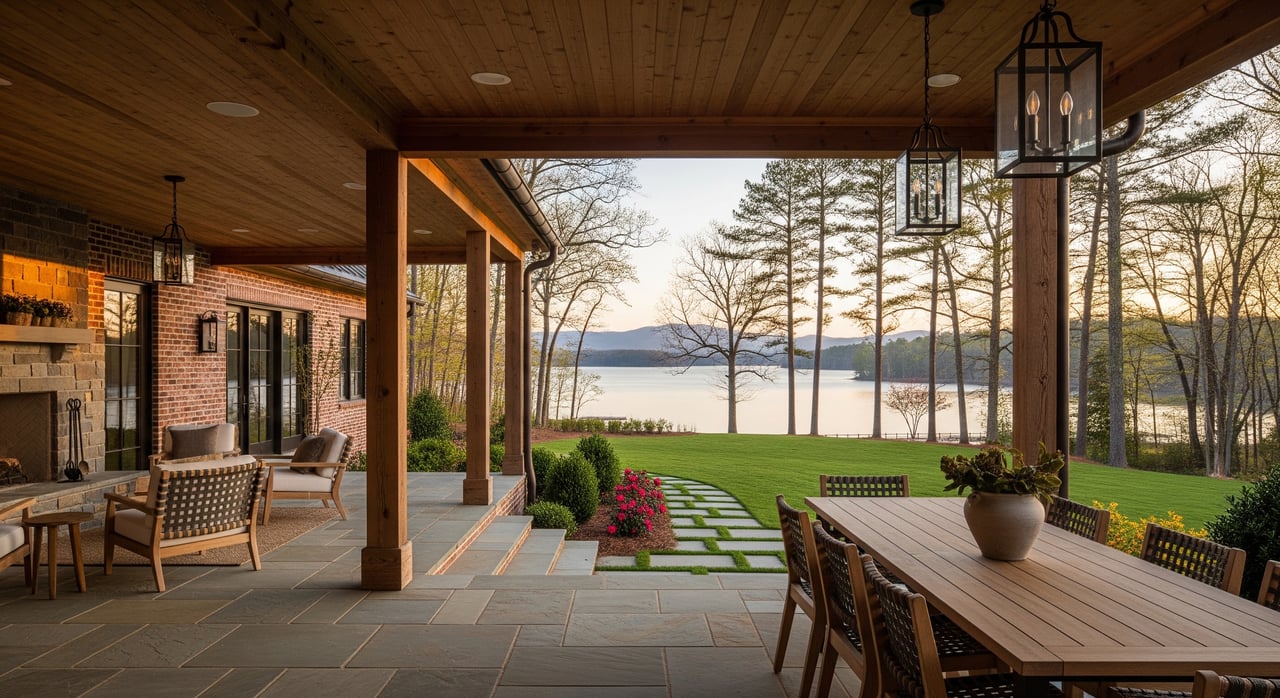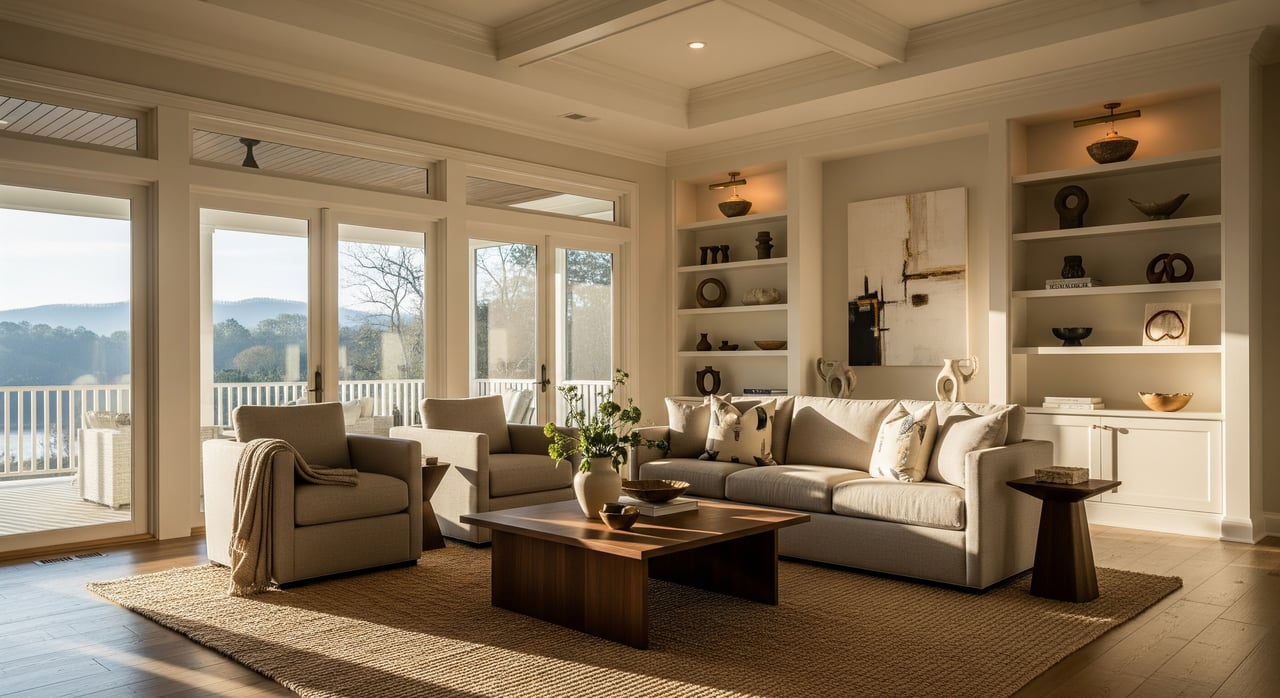
Dreaming of weekends on Lake Keowee but live hours away? You are not alone. Many buyers in 29630 and across the Upstate purchase vacation homes from afar, then rely on a trusted local process to make it smooth. In this guide, you will learn how to search smart, verify lake‑specific details, and close confidently without being here for every step. Let’s dive in.
Why buy on Lake Keowee from afar
Lake Keowee offers clear water, mountain views, and easy access to Clemson for game weekends. Inventory has improved since the lows of recent years, yet true waterfront demand stays strong. As of mid‑2025, many waterfront homes sell in the seven figures, with median waterfront activity roughly in the 1.2 to 1.8 million range. Always confirm current pricing with your agent, because limited shoreline inventory can move numbers quickly.
You will find a wide range of properties that fit different goals and budgets. Some buyers want private docks and deep water. Others prefer lower‑maintenance condos or off‑water homes with community amenities and deeded lake access. Defining your must‑haves early will narrow the search and reduce surprises later.
Typical options and price bands
- True waterfront single‑family homes with private dock potential. Many sales are above 1 million, and luxury estates can reach several million in gated or club communities.
- Waterfront lots that allow docks. Pricing can span the hundreds of thousands into the high six figures, depending on depth, slope, and community.
- Off‑water homes and condos in lake neighborhoods. These can offer amenities and community docks at more approachable prices.
- Gated or amenity communities such as The Cliffs and Keowee Key. Expect organized amenities and dues, with membership rules that vary by community.
Your remote‑buying roadmap
Buying from afar works best when you follow a clear, local‑specific plan. Here is the sequence most out‑of‑area buyers use.
1) Define priorities and shortlist communities
Decide how you will use the home. Private dock vs. community water access, number of bedrooms, proximity to Clemson, and comfort with HOA or club dues are common filters. If you prefer full‑amenity living, explore communities like The Cliffs to understand membership structure and access. If rental income is part of your plan, make sure rental rules align with your goals.
2) Hire a local buyer’s agent in writing
In South Carolina, buyer‑agent duties start with a written agency agreement and a brokerage disclosure at first substantive contact. Review the state’s agency framework in Title 40, Chapter 57 of the South Carolina Code of Laws. A local buyer’s agent will preview homes, coordinate inspections, gather shoreline and permit documents, and negotiate on your behalf.
3) Use virtual previewing to your advantage
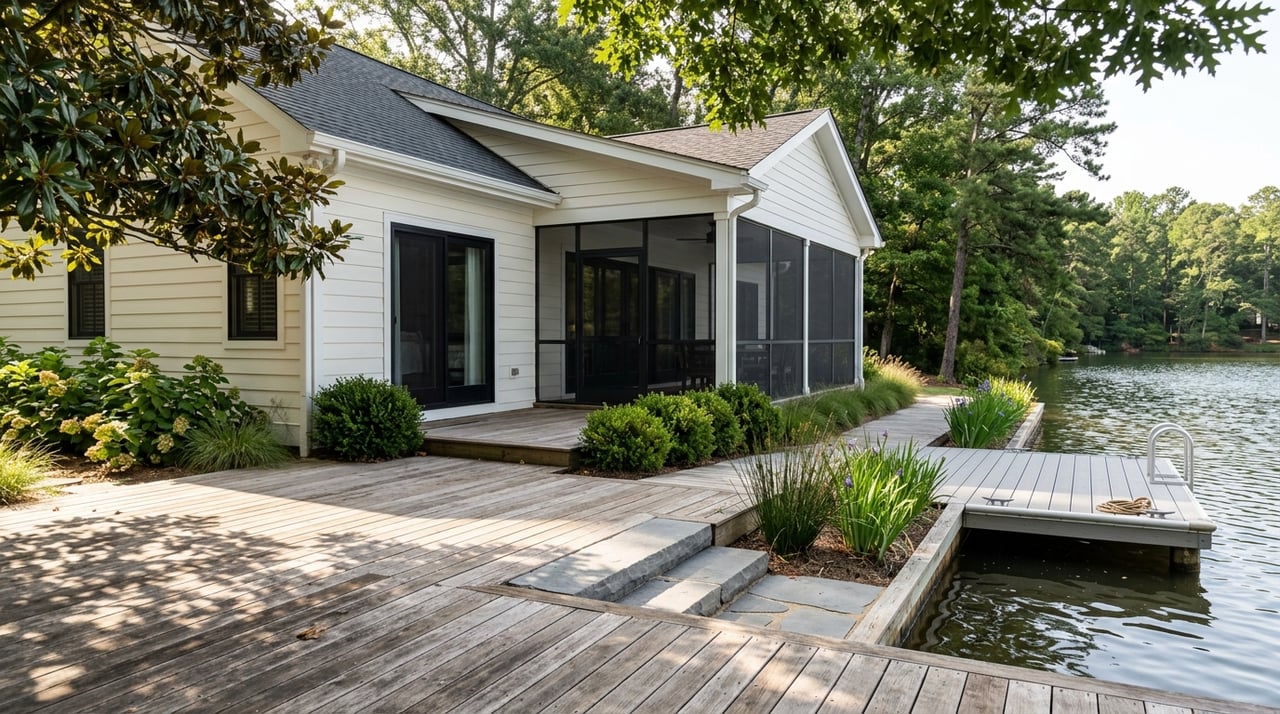
Ask for a live video tour, high‑resolution photos, and drone footage that includes shoreline, dock, and the approach from the water if possible. For lots, request a survey with elevation contours. Photos of the bank and shoreline are helpful later since dock and shoreline changes typically require a permit through Duke Energy’s shoreline program.
4) Do pre‑offer diligence
Before writing, ask for the seller’s most recent tax bills, HOA covenants and architectural rules, recorded surveys, any title commitments, and existing dock permits or Duke Energy correspondence. The Pickens County Assessor’s FAQ explains local assessment ratios and resources you can use to review parcel records and tax history. You can find those details on the Pickens County Assessor FAQ page.
5) Write an offer with smart contingencies
For lake properties, include inspections for the home, septic, and if applicable a private well, plus appraisal and financing if you are using a loan. Give yourself enough time to manage specialist inspections if you will not be present. Ask for an inspection period that allows for scheduling local vendors and receiving mailed or electronic documents.
6) Order lake‑specific inspections
- General home inspection. Choose a local inspector who knows lakeside issues like shoreline stabilization, dock condition, and moisture.
- Septic system inspection. Pump, tank, and drain field checks are common buyer requests in the Upstate.
- Private well testing. Clemson’s Home & Garden Information Center outlines sampling and certified lab options in South Carolina. Review their guidance on testing private well water.
- Dock and shoreline review. Ask a qualified marine contractor to evaluate docks, lifts, rip‑rap, and seawalls. Confirm whether permits exist for any prior changes.
7) Confirm title, survey, and dock rights
On Lake Keowee, the shoreline is subject to Duke Energy’s rules in many areas and recorded surveys often reference the 800 to 804 foot contour. Do not assume that “waterfront” equals private shoreline ownership. Always obtain a recorded survey that shows relevant contours and easements, and verify dock rights in title. Community documents like those published by HOAs around the lake highlight why these details matter, as seen in this example about docks and waterfront.
8) Plan financing and remote closing logistics
Second‑home loans often require higher down payments and reserves than a primary residence. Many conventional second‑home programs start around 10 percent down, though lenders frequently ask for 15 to 20 percent or more, and larger purchases may require jumbo financing. Review general guidance on second‑home loan requirements, then confirm specifics with your lender.
For signing, some South Carolina providers support electronic notarization. The Secretary of State explains e‑notary resources and registration on its Notaries page. Ask your title company and lender early whether they accept in‑person electronic notarization, fully remote online notarization, or a mail‑away closing so you can plan your timeline.
9) Prepare post‑closing setup
If you will not occupy the home full time, line up service providers for housekeeping, seasonal maintenance, dock upkeep, and landscaping. For short‑term rentals, confirm HOA policies and local tax registrations before you list. Local vacation property managers in the Seneca and Keowee area outline service scopes and fee models, such as the examples on Southern Oak Property Management’s Seneca page.
Permits and rules you cannot skip
Lake Keowee is managed by Duke Energy, which oversees docks and shoreline changes through a formal permit system. Most dock construction, repair, and shoreline stabilization work requires a permit application, supporting photos and surveys, and fees. Review Duke Energy’s Permits for Shoreline Activities so you understand requirements before you plan changes.
Keowee parcels lie in both Pickens and Oconee counties. If you are evaluating new construction or major renovations, check county building, septic, and permit processes. For Oconee tax and parcel questions, start with the Oconee County Auditor. If a property sits low or near the shoreline, review FEMA maps, since flood zone status can affect loan and insurance requirements. Use the FEMA Flood Map Service Center to look up a specific address.
Many communities regulate short‑term rentals, docks, and noise. Gated communities with club memberships, including The Cliffs at Keowee, have their own governance. Before you rely on rental income, request written HOA rules and recent minutes to confirm policies and any upcoming changes.
Budgeting for a second home on Keowee
Plan for a higher down payment and reserves if you need financing. Lenders often consider how you intend to use the property, so clarify whether it will be a second home used by you or an investment with regular rental activity. Your agent can help you coordinate a conversation with your lender about program fit, potential jumbo thresholds, and any reserve requirements.
Property taxes in South Carolina are based on assessment ratios that differ for owner‑occupied primary residences and second homes. Ask for the seller’s most recent tax bills and confirm assessment details before you write an offer. The Pickens County Assessor FAQ explains local assessment practices and exemptions so you can estimate ongoing costs.
Build a budget for ongoing items that are easy to overlook:
- HOA or POA dues, and any club memberships if you choose a full‑amenity community.
- Dock and shoreline maintenance, marina fees if you rent slip space, and periodic permit payments. Review Duke Energy’s permitting pages for potential fees and timelines.
- Homeowners insurance and, if applicable, flood insurance. Check flood status early to avoid closing delays.
- Property management or caretaker services if you will not be on site. Fee models vary, and net returns on short‑term rentals depend on seasonality and event demand.
Running your Keowee home from afar
Remote owners usually set up a local support team. A trusted cleaner, handyman, dock contractor, and landscaper will keep the home guest‑ready and protected through seasonal shifts. If you plan to rent, interview managers on service scope, guest support, cleaning standards, and reporting. Compare a full‑service local manager’s percentage to self‑management with separate vendors, then model net returns conservatively.
For personal use, simple systems help. Install keyless entry and smart thermostats, schedule preventive maintenance, and keep a photo log of the dock, shoreline, and retaining walls after big rain events. When you are in town, visit local marinas for fuel, service, and storage options so you spend more time on the water and less time coordinating logistics.
Quick checklist for out‑of‑area buyers
- Hire a local buyer’s agent and sign a written agency agreement in South Carolina. Review the agency requirements.
- Shortlist three communities and request HOA rules, fee schedules, and rental policies.
- Ask for surveys, tax bills, any dock permits, and Duke Energy correspondence. Confirm shoreline contours and dock rights.
- Get pre‑approved. Clarify second‑home vs. investment loan terms and potential jumbo thresholds using this second‑home loan overview as a starting point.
- Schedule specialty inspections: septic, private well testing per Clemson HGIC guidance, and dock or shoreline evaluations.
- Check flood status on the FEMA Map Service Center and obtain early insurance quotes.
- Confirm your closing method with the title company. See state resources on e‑notary options on the SC Secretary of State Notaries page.
If you want a local partner who will act as your eyes, connect you with vetted inspectors and lenders, and keep your remote purchase on track, reach out. You can schedule a conversation with Svenja Martin to map your next steps.
FAQs
How does a remote Lake Keowee purchase typically work?
- You define goals, hire a local buyer’s agent in writing, tour virtually, complete pre‑offer checks, include lake‑specific contingencies, order inspections, verify title and dock rights, finalize financing, and arrange e‑notary or mail‑away closing.
Can I close entirely online for a Lake Keowee home in South Carolina?
- Some providers support electronic notarization, but acceptance varies by lender and title company. Review options on the SC Secretary of State Notaries page and confirm your closing method early.
What inspections are essential for a Lake Keowee waterfront home?
- In addition to a general home inspection, most buyers order septic evaluations, private well testing per Clemson HGIC guidance, and a dock or shoreline assessment by a qualified marine contractor.
Do I need a Duke Energy permit for dock work on Lake Keowee?
- Most dock construction, repair, and shoreline stabilization projects require permits through Duke Energy. Review Permits for Shoreline Activities to understand application steps and timelines.
How are taxes different for a second home in Pickens or Oconee?
- South Carolina uses assessment ratios that differ for primary residences and non‑owner‑occupied properties. Check the Pickens County Assessor FAQ and verify the current tax bill for any home you are considering.